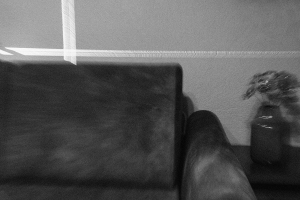
„Alignment Error” to projekt o relacji między jednostką a systemem oraz o momencie, w którym człowiek przestaje mieścić się w narzuconych ramach. Tytułowy „błąd wyrównania” nie oznacza usterki, lecz stan niedopasowania między indywidualnością a oczekiwaniami otoczenia. W centrum prac znajduje się powielany wizerunek człowieka. Przecinające go linie światła lasera – narzędzia pomiaru i kontroli – stają się symbolem norm, według których jednostka jest oceniana i porządkowana. Wystawa stawia pytania o granice normalności, mechanizmy kontroli oraz cenę, jaką płacimy za próbę dopasowania się do obowiązujących wzorców. „Błąd” nie jest tutaj wyjątkiem, lecz naturalnym efektem zderzenia ludzkiej złożoności z potrzebą systemowego porządku. "Alignment Error" is a project exploring the relationship between the individual and the system, and the moment when a person no longer fits within imposed frameworks. The titular “alignment error” does not refer to a technical malfunction, but rather to a state of mismatch between individuality and the expectations of the surrounding environment. At the center of the works is a fragmented and repeated human figure. The laser light lines crossing the body - tools of measurement and control - become symbols of the norms according to which individuals are evaluated, classified, and organized. The exhibition raises questions about the boundaries of normality, mechanisms of control, and the price we pay for trying to conform to prevailing standards. Here, the “error” is not an exception but a natural consequence of the collision between human complexity and the system’s need for order.
12 Zdjęć
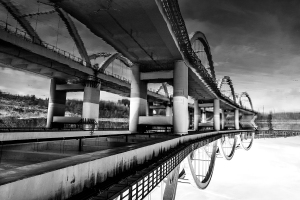
Fotografie mostu w Dąbrówce, na Jeziorze Mucharskim, wykonane z perspektywy lotniczej, koncentrują się na jego rytmicznej formie i relacji ze światłem. Zaokrąglone pylony oraz ich odbicia na powierzchni wody tworzą powtarzalne układy, które stopniowo tracą swój architektoniczny charakter na rzecz abstrakcyjnej kompozycji. Odwrócenie obrazu o 180 stopni wprowadza wizualne przesunięcie, odbicie zaczyna funkcjonować jak rzeczywista struktura, a to, co materialne, traci swoją oczywistość. Fotografia przestaje być zapisem miejsca, stając się grą percepcji i iluzji. Photographs of the bridge in Dąbrówka on Lake Mucharskie, taken from an aerial perspective, focus on its rhythmic form and its relationship with light. The rounded pylons and their reflections on the water surface create repeating patterns that gradually lose their architectural character and transform into an abstract composition. Rotating the image by 180 degrees introduces a visual shift: the reflection begins to function as the actual structure, while the physical object loses its apparent certainty. The photograph ceases to be a record of a specific place and becomes a play of perception and illusion.
9 Zdjęć
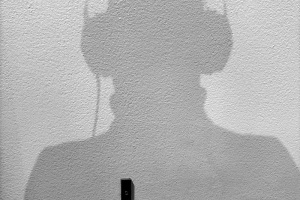
Cień to złudne poczucie realności, zredukowany symbol iluzji, nie posiadający własnego życia ani autonomii. Całkowicie zależny od postaci, która go tworzy. Jednak jest także naszym niemym świadkiem wszystkiego, co się dzieje – towarzyszem „na zawsze”, nierozerwalną częścią nas samych / The shadow is an illusory sense of reality, a reduced symbol of illusion, without its own life or autonomy. Completely dependent on the character who creates it. However, he is also our dute witness to everything that happens - a companion "forever", an inseparable part of ourselves
20 Zdjęć
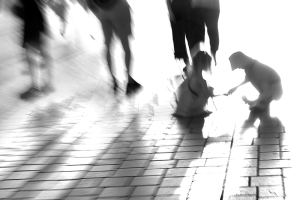
Projekt pt. „Phantasms / Widziadła” ukazuje świat przeżyć wewnętrznych, który wymyka się wspólnym definicjom i pozostaje dostępny jedynie jednostkowemu doświadczeniu fotografa. Widziadła to ulotne obrazy, które powstają na granicy wyobraźni i rzeczywistości — nieuchwytne, osobiste i często ponadzmysłowe. Fotografie, które znalazły się na wystawie, nie próbują ilustrować rzeczywistości, lecz raczej ją prze-interpretować. To, co widzi jedna osoba, dla drugiej może pozostać kompletnie niezrozumiałe. Obraz powinien przekonać widza do wejścia w głąb siebie, do zadania pytania: „Co ja widzę, co zapamiętuję, gdy zamknę oczy?”. „Phantasms / Widziadła” nie są ucieczką od świata, lecz jego głębszym przeżyciem, spojrzeniem pod powierzchnię rzeczywistości. Wystawa nie daje odpowiedzi, ale oferuje przestrzeń do intuicyjnego rozpoznania własnych wyobrażeń. Zdjęcia zostały podzielone na opowieści, z których każda ukazuje fragmenty codzienności — sytuacje zwykłe, pozornie oczywiste. W tradycyjnym ujęciu mogłyby one funkcjonować jako fotografie dokumentalne, jednak w ramach projektu zyskały formę osobistych interpretacji. Autor podejmuje próbę przetworzenia rzeczywistości przez pryzmat własnych emocji, wspomnień i wrażeń. Każda opowieść jest zaproszeniem do innego świata — nie tyle obiektywnego, co emocjonalnego. Dzięki temu widz ma szansę odkryć nowe znaczenia w pozornie oczywistych sytuacjach. Project entitled "Phantasms / Widziadła" shows a world of inner experiences that escapes common definitions and remains available only to the photographer's individual experience. Sights are fleeting images that are created on the border of imagination and reality - elusive, personal and often supersensory. The photographs that appeared on display do not try to illustrate reality, but rather to reinterpret it. What one person sees may remain completely incomprehensible to another. The picture should convince the viewer to go deep into himself, to ask the question: "What do I see, what do I remember when I close my eyes?" "Phantasms / Seers" are not an escape from the world, but its deeper experience, a look under the surface of reality. The exhibition does not provide answers, but offers space for intuitive recognition of one's own imaginations. The photos were divided into stories, each of which shows fragments of everyday life - ordinary, seemingly obvious situations. In the traditional approach, they could function as documentary photographs, but as part of the project they gained the form of personal interpretations. The author attempts to process reality through the prism of his own emotions, memories and impressions. Each story is an invitation to a different world - not so much objective as emotional. Thanks to this, the viewer has a chance to discover new meanings in seemingly obvious situations.
26 Zdjęć
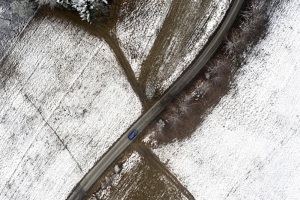
zdjęcia dróg wykonane z drona w ustawieniu prostopadłym kamery w stosunku do powierzchni ziemi. Płaska perspektywa, a trójwymiarowość przestrzeni otrzymana dzięki kształtom, liniom i kolorom. / road photos taken from a drone with the camera perpendicular to the ground. Flat perspective, and three-dimensionality of space obtained thanks to shapes, lines and colors.
14 Zdjęć
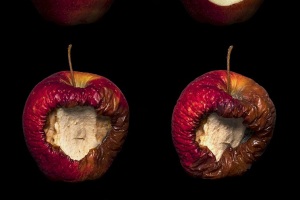
Projekt "60 dni z życia jabłka" ten stanowi wizualne odniesienie do ludzkiego życia, starzenia się i śmierci. Uświadamia, że przemijanie jest procesem biologicznym, nieodłącznym elementem egzystencji, a obserwacja rozkładu materii przypomina o ograniczonym czasie trwania każdej formy życia. / The project "60 days in the life of an apple" is a visual reference to human life, aging and death. It makes you aware that transience is a biological process, an integral part of existence, and the observation of the decomposition of matter reminds us of the limited duration of any form of life.
2 Zdjęć
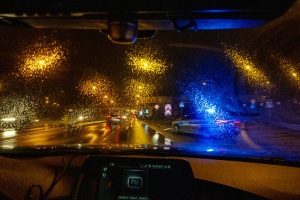
„Nocne studium deszczu i refleksów” / „Night study of rain and reflections" to zdjęcia wykonane przez szybę samochodu nocą, w czasie deszczu. To gra świateł, kropli i odbić, które w ruchu tworzą abstrakcyjne, ulotne kompozycje. To próba uchwycenia napięcia między przypadkiem a rytmem, dokumentacją a impresją – zapis wrażeń, jakie powstają na granicy widoczności i zniekształcenia. Fotograf nie prowadził samochodu. / These are photos taken through the car window at night, during the rain. It is a game of lights, drops and reflections that create abstract, fleeting compositions in motion. It is an attempt to capture the tension between chance and rhythm, documentation and impression - a record of impressions that arise on the border of visibility and distortion. The photographer was not driving a car.
13 Zdjęć
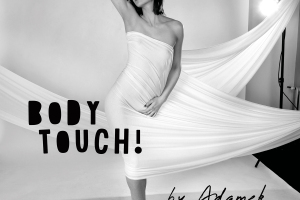
"Zastygnę w kształt niepowtarzalny tym kształtem będę wabić..." - H. Poświatowska "Wiersze wybrane" / "I will still into a unique shape. With this shape I will lure..." - H. Poświatowska "Selected poems"
13 Zdjęć