
Romuald Szczerba, znany jako „lekarz neonów”, to jeden z najważniejszych twórców i konserwatorów neonów w Polsce. Swoją przygodę rozpoczął w 1972 roku w Stołecznym Przedsiębiorstwie Instalacji Reklam Świetlnych, gdzie pracował przy takich realizacjach jak kino Moskwa czy neony Dworca Centralnego. Po likwidacji SPIRŚ założył firmę Euro Neon Servis, kontynuując tradycję na warszawskiej Pradze. Dla Szczerby neon to nie tylko technologia, ale forma sztuki i nośnik emocji, który budzi wspomnienia i opowiada historie miasta. Mój projekt „Lekarz neonów” to hołd dla jego mistrzowskiego rzemiosła i pasji, która od dekad rozświetla przestrzeń miejską, łącząc technikę, sztukę i emocje. / Romuald Szczerba, known as the "neon doctor", is one of the most important creators and conservators of neon signs in Poland. He began his adventure in 1972 at the Capital Lighting Advertising Installation Company, where he worked on such projects as the Moscow Cinema or the Central Station neon lights. After the liquidation of SPIRŚ, he founded Euro Neon Servis, continuing the tradition in Warsaw's Praga. For Szczerba, neon is not only a technology, but a form of art and a carrier of emotions that awakens memories and tells the stories of the city. My project "Neon Doctor" is a tribute to his masterful craftsmanship and passion that has been lighting up the urban space for decades, combining technology, art and emotions.
17 Zdjęć

Droga Krzyżowa w Kalwarii Zebrzydowskiej - wiara i tradycja / Stations of the Cross in Kalwaria Zebrzydowska - faith and tradition
11 Zdjęć

Zjawisko noszenia ludzi na rękach tłumu, tzw. „crowdsurfing” to z jednej strony odlotowa wolność, a z drugiej totalna utrata kontroli. To symbol tego, jak wspólne przeżywanie muzyki potrafi zmienić nasze postrzeganie intymności i osobistej przestrzeni. Może tymczasowy brak barier sprawia, że możemy zobaczyć, jaką siłę mają ludzie, gdy działają razem, a być może, każdy szuka odrobiny szaleństwa… / The phenomenon of carrying people in the arms of a crowd, the so-called "crowdsurfing" is on the one hand a easy freedom, and on the other hand a total loss of control. It is a symbol of how experiencing music together can change our perception of intimacy and personal space. Maybe the temporary lack of barriers makes us see the power that people have when they work together, or maybe everyone is looking for a bit of madness...
36 Zdjęć

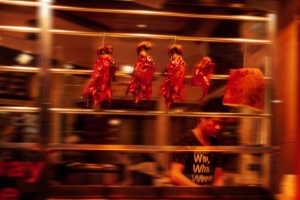
„Coś do zjedzenia - Chinatown” / "Something to eat - Chinatown" „Coś do zjedzenia” - projekt zainspirowany specyfiką londyńskiej dzielnicy Chinatown. Kolory nocy, gwar ulicy, zapachy, nieustanny ruch inspirują ludzi nie tylko do jedzenia, ale i robienia zdjęć. Na kilku metrach kwadratowych podłogi, która jest przestrzenią czyjegoś biznesu, powstają potrawy niepowtarzalne. Tylko będąc w pełni zaangażowanym i doświadczonym człowiekiem, w tak ciasnym miejscu, w wysokiej temperaturze, można wykonywać szybkie i precyzyjne ruchy. Fascynują mnie ludzie, którzy całą swoją energie i serce wkładają w pracę. Wykonują ją z pasją, perfekcją, a zarazem dostojnością. W Chinatown to znalazłem! / "Something to eat" - a project inspired by the specifics of London's Chinatown district. The colors of the night, the bustle of the street, smells, constant movement inspire people not only to eat, but also to take pictures. Unique dishes are created on a few square meters of the floor, which is the space of someone's business. Only being a fully committed and experienced person, in such a tight place, in high temperature, can you perform quick and precise movements. I am fascinated by people who put all their energy and heart into their work. They do it with passion, perfection, and at the same time dignity. I found it in Chinatown!
9 Zdjęć

Jak co roku, 11 listopada Polacy obchodzą dzień odzyskania niepodległości. Jednym z elementów jest Marsz Niepodległości. Od kilku lat skrajnie prawicowe grupy przejmują to wydarzenie. Świętują na swój własny sposób. / As every year, on November 11, Poles celebrate the day of regaining independence. One of the elements is the Independence March. For several years, far-right groups have been taking over this event. They celebrate in their own way.
18 Zdjęć
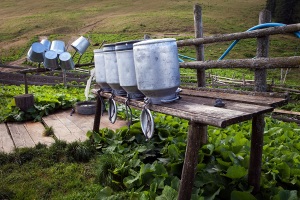
„Życie w górach Zakarpacia” to opowieść o codzienności wyznaczanej przez rytm natury – dni i nocy, pór roku i ciężkiej pracy. To tęsknota za bliskimi i pragnienie szczęścia, które kontrastują z surowością górskiego życia. Projekt ma być świadectwem ludzkiej wytrwałości oraz poszukiwania sensu w rytmie, którego nie można zatrzymać / "Life in the mountains of Transcarpathia" is a story about everyday life determined by the rhythm of nature - days and nights, seasons and hard work. It is the longing for loved ones and the desire for happiness, which contrasts with the severity of mountain life. The project is supposed to be a testament to human perseverance and the search for meaning in a rhythm that cannot be stopped.
13 Zdjęć

Człowiek nieustannie przekształca świat pod swoje potrzeby, ale natura zawsze odzyskuje swoje miejsce. Czas, mróz, wiatr i słońce sprawiają, że to ona ma ostateczne słowo. W tej wymianie człowiek jest jedynie gościem. Natura swoją siłą i cierpliwością uczy nas pokory, przypominając, że każdy ślad przemija, a na jego miejscu rodzi się coś nowego. / Man is constantly transforming the world for his needs, but nature always regains its place. Time, frost, wind and sun make her have the final word. In this exchange, man is only a guest. Nature with its strength and patience teaches us humility, reminding us that every trace passes, and something new is born in its place.
10 Zdjęć